In the Azores, sustainability isn't a marketing line, it's a recognised standard. How to design an eco-responsible corporate seminar without giving up on corporate rigour.
A sustainability that isn’t just a slogan.
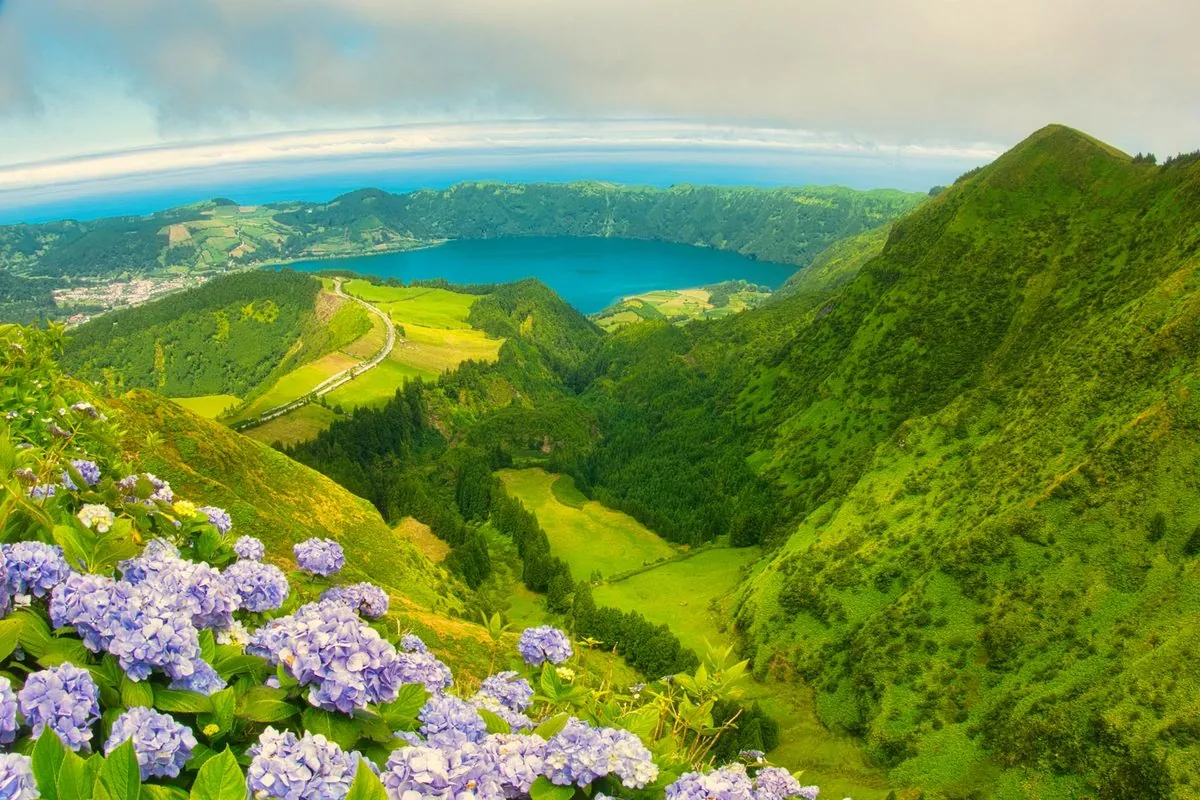
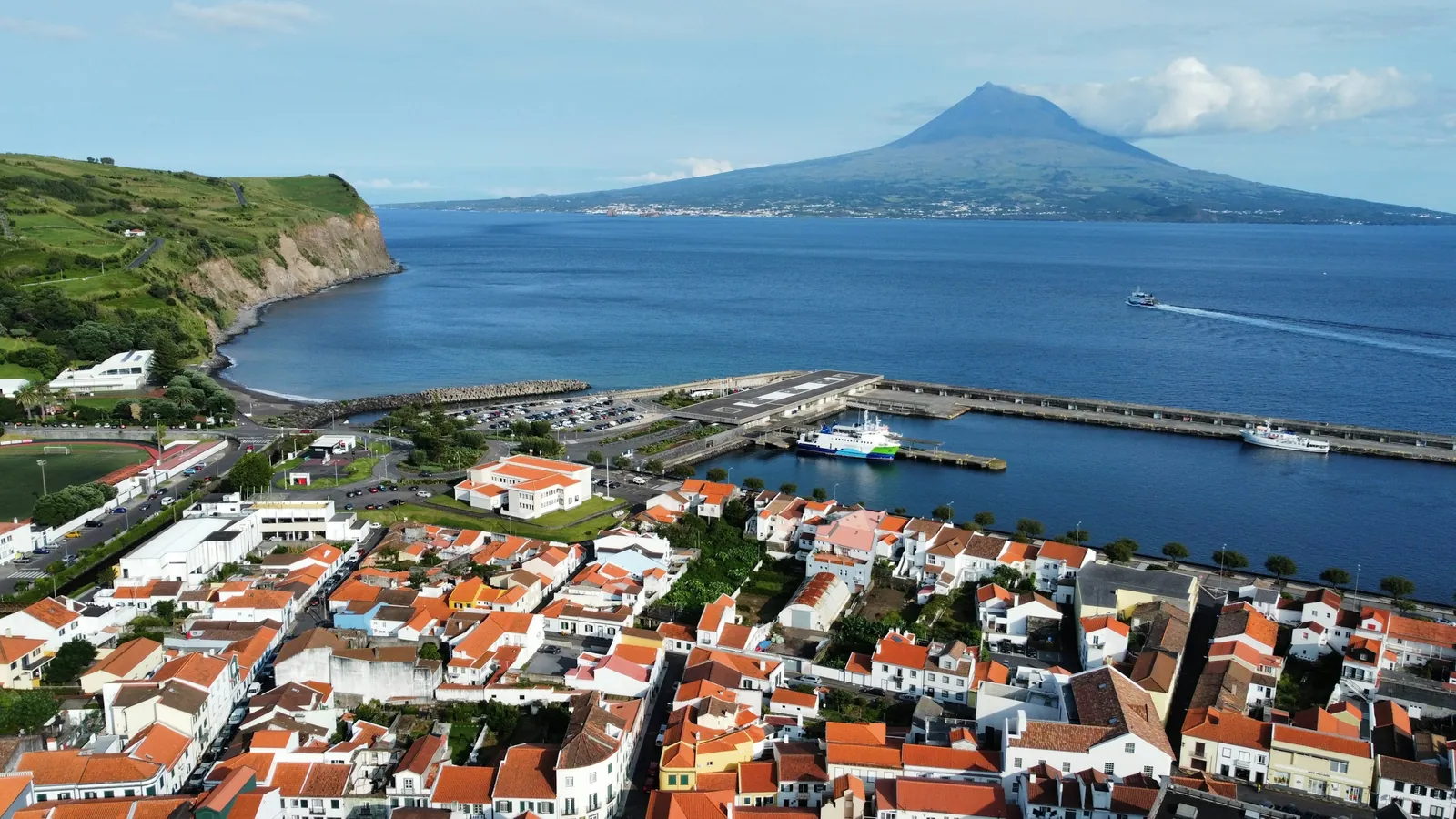
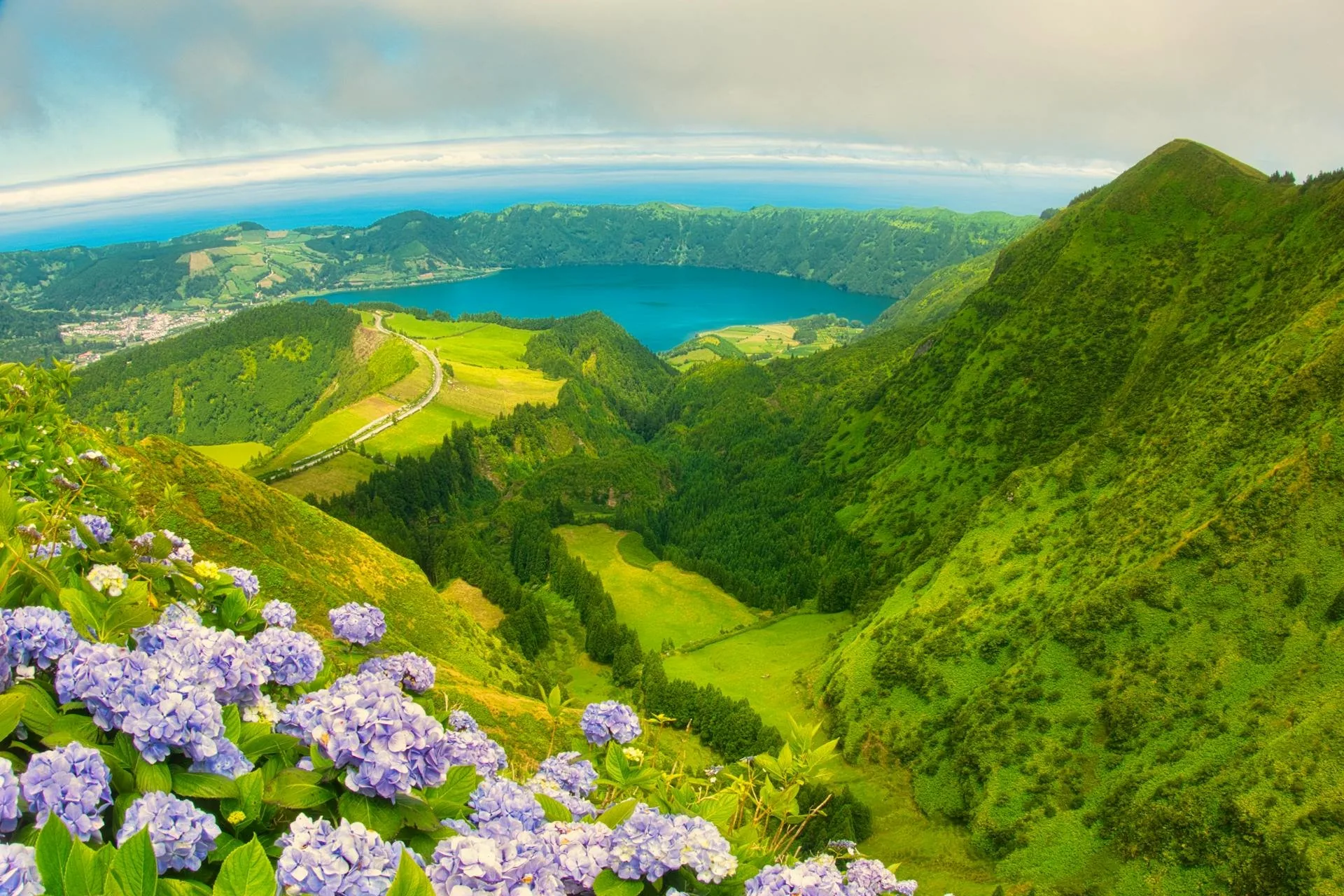
CSR increasingly shows up in seminar briefs, but it often stays a vague criterion, caught between good intentions and an actual change of programme. The Azores offer the opposite case study: the archipelago didn’t build a sustainable narrative after the fact, its geography and local economy made it that way. Nine volcanic islands ranked among the leading sustainable-tourism destinations (Green Destinations, QualityCoast labels), two hours’ flight from Lisbon: the setting itself imposes a more sober way of running a corporate event.
What makes the archipelago exemplary.
Three concrete, verifiable facts, not a marketing promise:
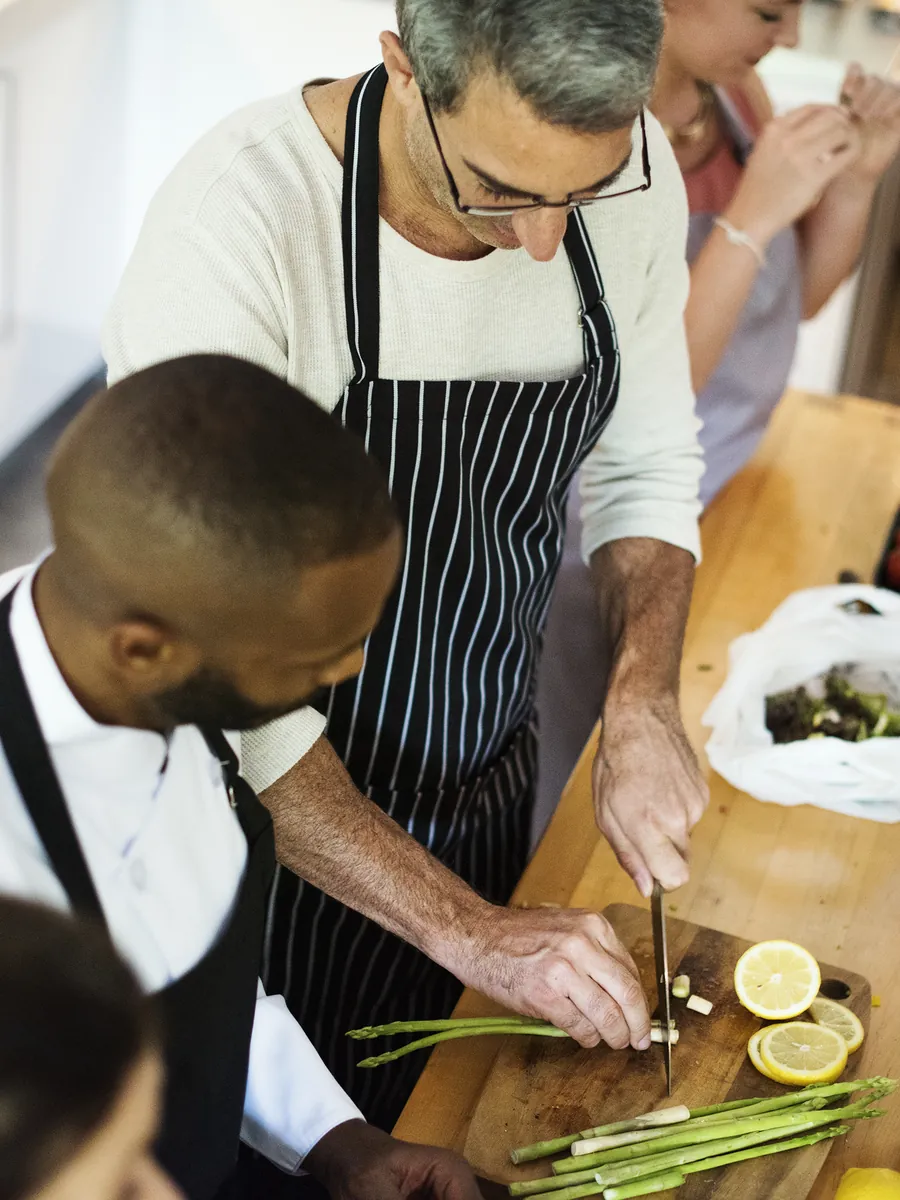
- A cuisine cooked by the earth: the traditional Furnas cozido cooks for hours in the volcanic soil, heated by the natural geothermal energy of the fumaroles, with no oven or fossil fuel.
- UNESCO-listed vineyards: Pico wines grow in stone enclosures (currais) built directly on lava, a centuries-old farming system recognised by UNESCO.
- Guided observation, not a show: whale-watching outings (more than 25 observable species) are led by marine biologists, with an onboard ecological briefing, far from mass tourism.
Cutting the footprint, without unnecessary complexity.
An eco-responsible seminar doesn’t call for a complicated brief, just a few structural choices made upfront.
- One island only: keeping the programme on São Miguel (or Pico, or Terceira) rather than multiplying inter-island flights limits most internal travel.
- Local suppliers: caterers, guides and biologists from the archipelago rather than imported specialists, a principle Solcanto applies across all its destinations.
- Accommodation built for it: several addresses on the archipelago are eco-designed, including an oceanfront resort on São Miguel.
- Experiences that already exist: cozido, Pico wine, guided whale watching, a thermal bath at Terra Nostra: sustainability is the setting here, not an activity bolted onto the programme.
As with any distant destination, the main footprint item remains the flight to the archipelago. Companies that want to go further can choose to offset it alongside the rest of the programme.
Budget and headcount, no surprises.
The same benchmarks as the rest of the country apply: from €250 per person per day all-inclusive in a 3★ hotel, €350 in 4★, €450 in 5★. On capacity, São Miguel’s largest hotels host up to 120 people; beyond that, two options: book out several properties, or split the group between São Miguel and Terceira. Allow 4 to 6 months for a standard-season format, 8 to 12 months for high season (May to October, the most stable period for weather and whale watching).
The role of a local DMC.
A credible CSR approach shows in the details: who’s cooking, who’s leading the outings, where the group sleeps. A French-speaking DMC on the ground in the Azores selects local suppliers, checks their practices and carries responsibility for the programme on the day. Tell us about your project: format, headcount, season, budget. A costed answer and a day-by-day programme, within 48h.
Written by Fabio Conceição, in Lisbon.