Tuk-tuk rally, Douro grape harvest, Benagil kayaking, Pico trek: fifteen team building activities, sorted by what they make a team work on, across cohesion, skill and displacement.
Why a list, rather than a single idea
A good benchmark beats a single brilliant idea. The fifteen activities below are sorted by what they make a team work on: cohesion (doing together), skill (learning a local craft, leaving a trace) or displacement (stepping out of the known zone to reveal dynamics invisible at the office). A successful programme usually combines two or three of these axes, in a deliberate order.
Cohesion: doing together.
- Tuk-tuk rally in Lisbon or Porto: teams competing, street riddles and tastings, across the capital’s hills or Porto’s historic centre.
- Nautical olympics at Vilamoura or Cascais: events run by local providers, a format that scales with headcount.
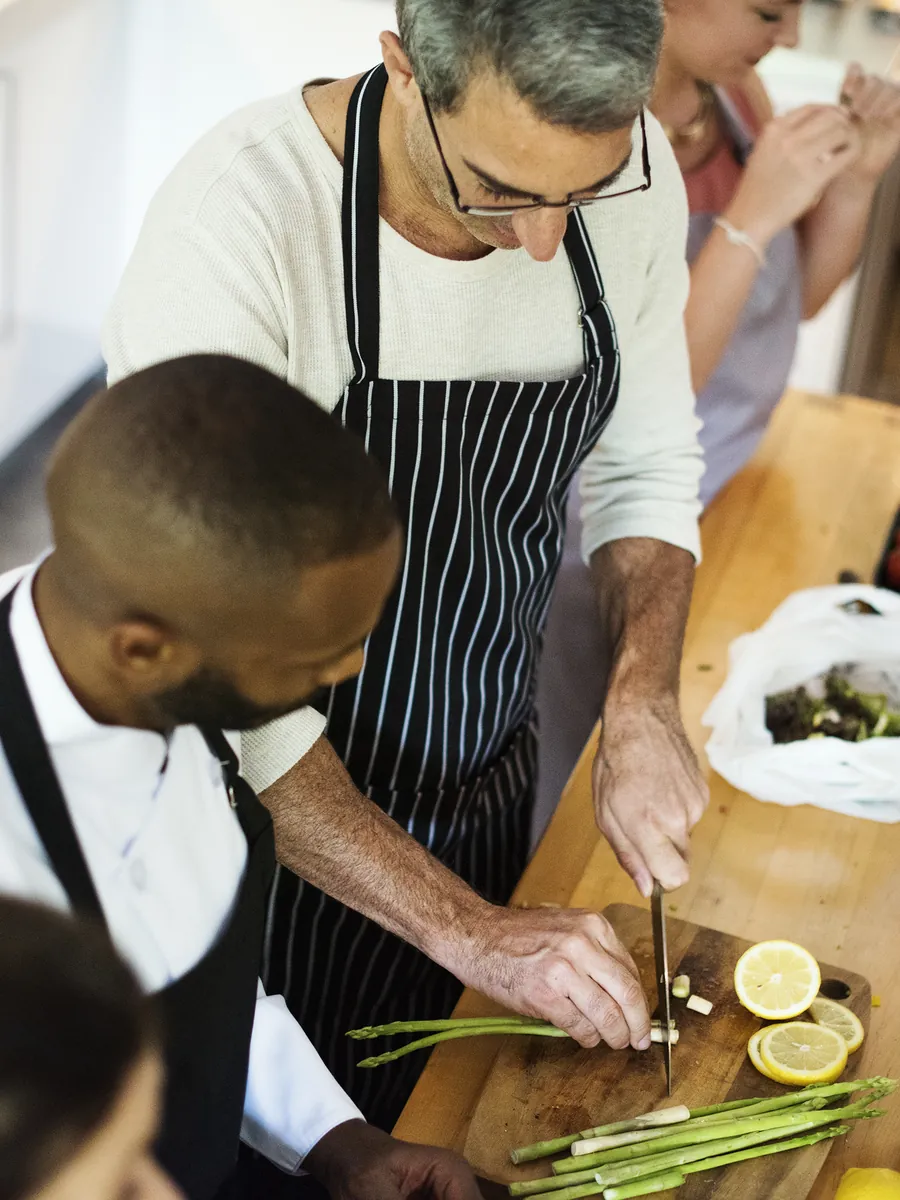
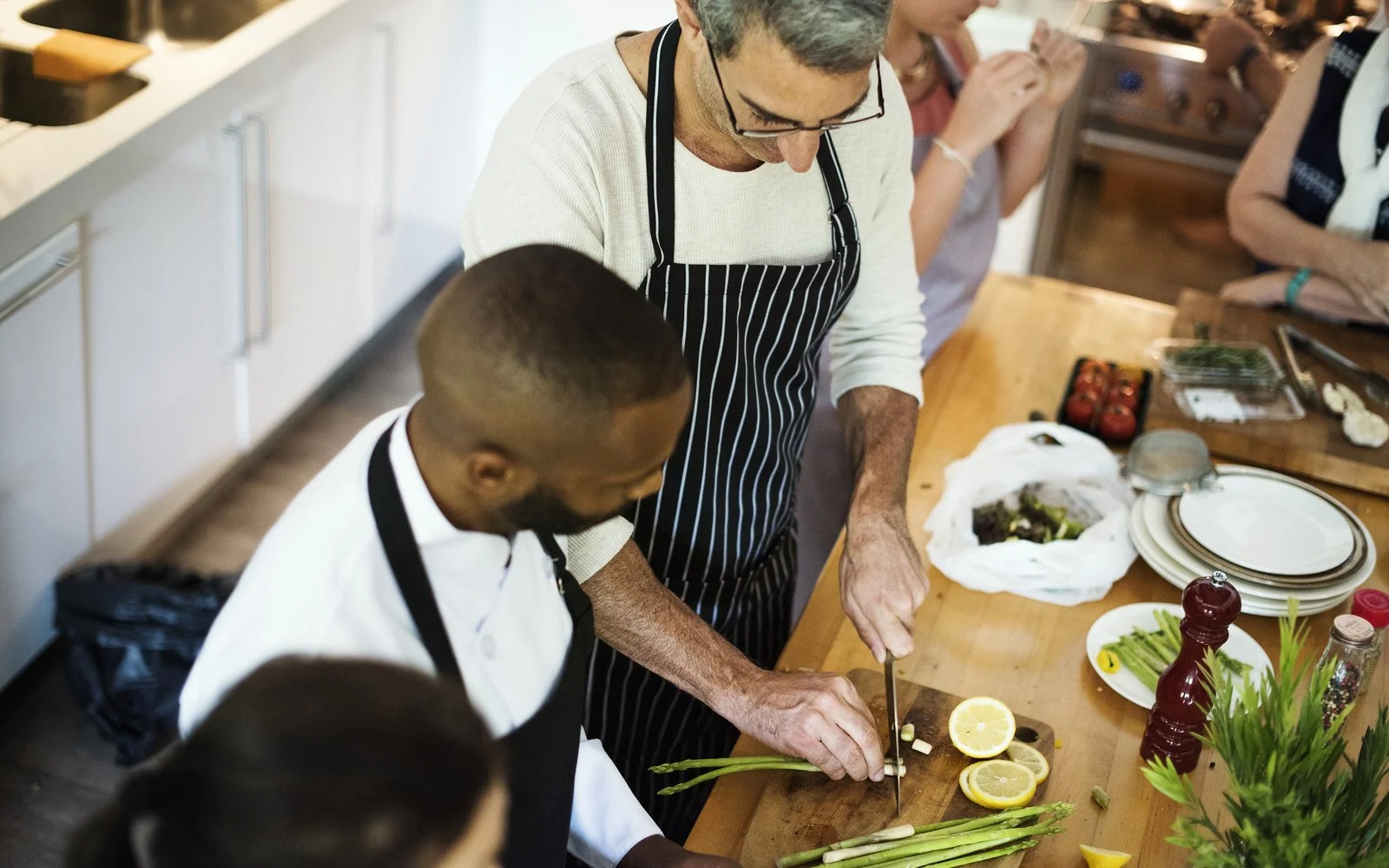
- Collaborative Portuguese cooking class: branded chef hats, brigades formed by team, collective tasting to close.
- Photo treasure hunt in the Ribeira or Alfama: narrative missions through the historic districts of Porto and Lisbon.
- Sailing regatta on the Tagus, in Lisbon: a supervised outing facing the 25th of April Bridge, a classic for bonding a group in one morning.
Skill: learning a craft, leaving a trace.
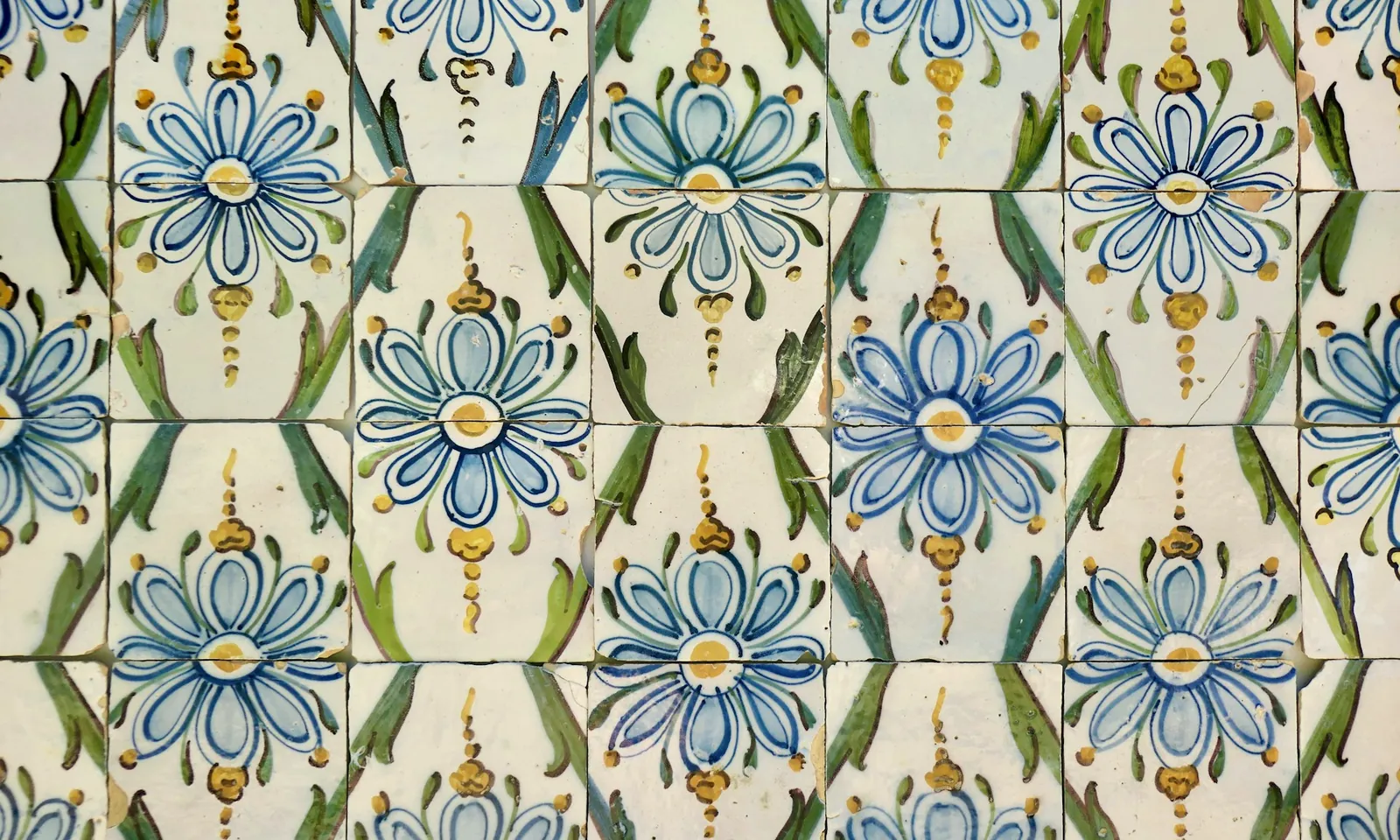
- Azulejo workshop in Lisbon: each participant paints and takes home their own personalised ceramic tile.
- Grape-stomping in Douro or Alentejo: hands-on harvest at a quinta, only from mid-September to mid-October.
- Textile craft in the Alentejo: small-group workshop with a local artisan, wool and traditional weaving.
- Surfing at Carcavelos, Cascais or Ericeira: local coaches, all levels, under forty minutes from Lisbon.
- Cataplana cooking class in an Algarve fishing village: a traditional recipe, fresh produce, a convivial mood.
Displacement: stepping out of the frame.
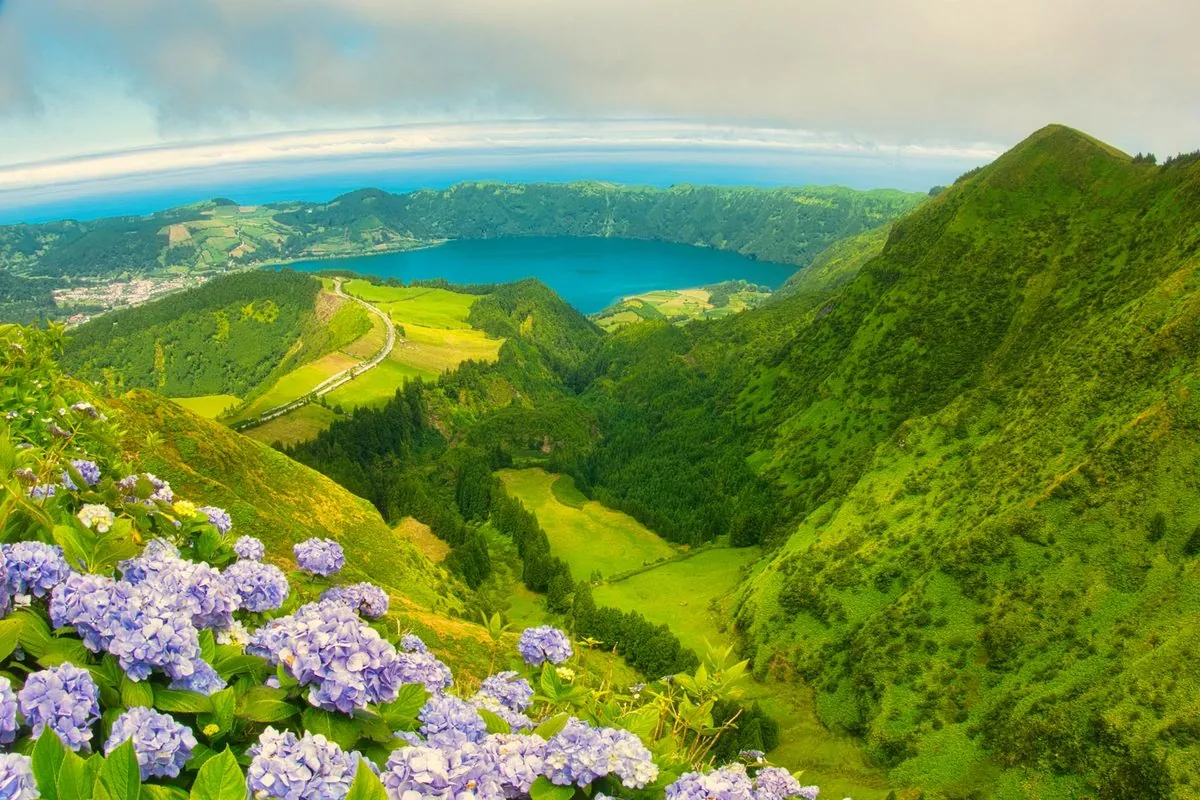
- Trek up Pico, in the Azores: climbing Portugal’s highest peak (2,351 m), an experience for motivated groups.
- Wicker toboggan descent in Madeira: a century-old tradition from Monte, a real adrenaline rush, open to all levels.
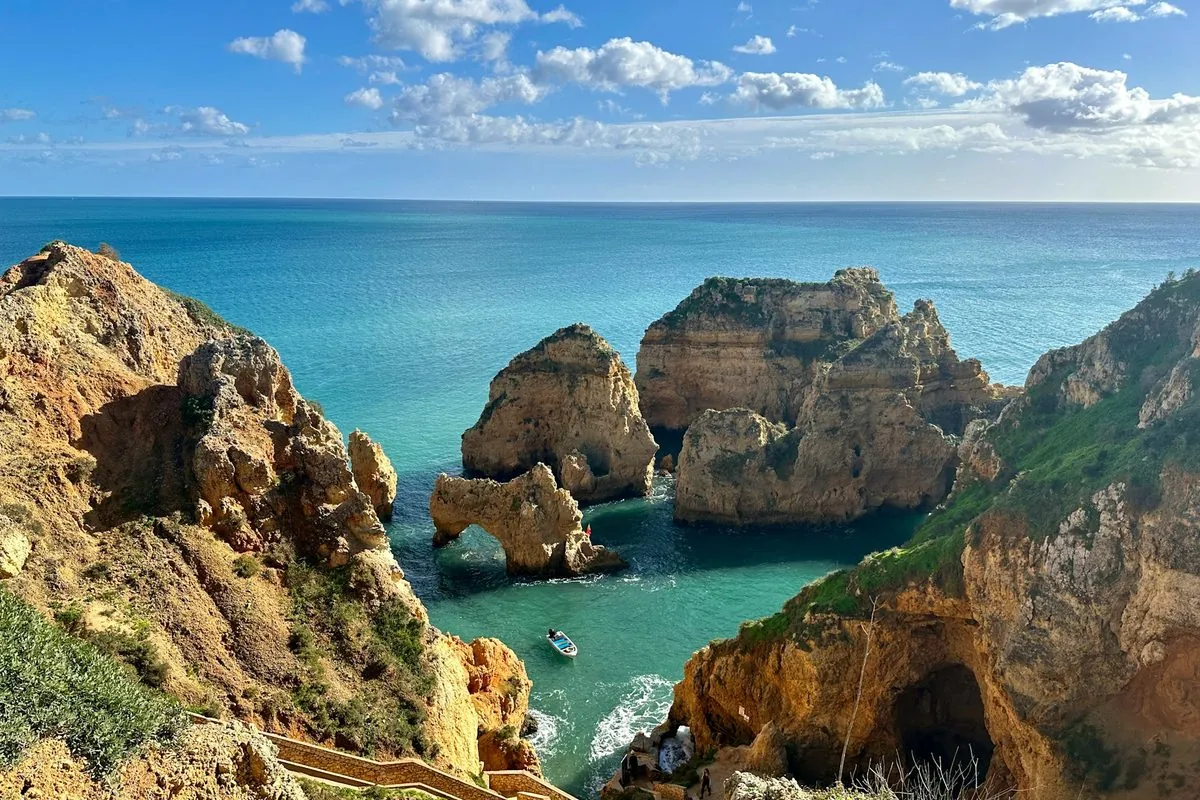
- Kayaking through the Benagil caves, in the Algarve: sculpted cliffs and hidden beaches, doable in half a day.
- Dark Sky evening in Alqueva, in the Alentejo: stargazing through a telescope, in one of Europe’s purest dark-sky reserves.
- Whale watching in the Azores: over 25 species recorded around the archipelago, a boat trip between May and October.
The best activity isn’t the most spectacular one, but the one that serves a clear team objective: trust, communication or celebration.
Budget and duration, benchmarks.
As a guide (supervision, equipment, hosts, transfers, photo), allow €80 to €150 per person for a half-day urban activity (rally, cooking class), €180 to €350 for a day combining two activities, and €400 to €700 per day for an outdoor format with transfers (Benagil kayaking, Dark Sky in Alqueva). Accommodation and catering are extra for a residential format.
How to combine several ideas.
A half-day is enough for a single activity, alongside a seminar. A full day lets you run two ideas from different axes (cohesion and skill, for example a rally followed by an azulejo workshop). The 2-day / 1-night format, the most common, lets you combine all three axes and close on a convivial dinner. Each activity combines with the others depending on the destination chosen: see our Team building page for a programme calibrated to your headcount.
The role of a local DMC.
Many of these activities involve the safety of a group in motion: supervision, insurance, equipment. A French-speaking DMC on the ground selects insured, proven suppliers, sizes the supervision and stays responsible on the day, where a remote agency depends on subcontractors it never meets. Tell us about your team objective: headcount, season, budget. A costed answer and a programme, within 48h.
Written by Fabio Conceição, in Lisbon.